Source Cake and Pizza Lifters for Bakery, Kitchen, and Catering
Find 30 options for cake and pizza lifters, including stainless steel turners and rosewood-handled servers. Compare specifications like blade size and material to select the right tool for bakery, kitchen, and catering applications; compare the available evidence and request quotations based on your requirements.
Key considerations
Products List


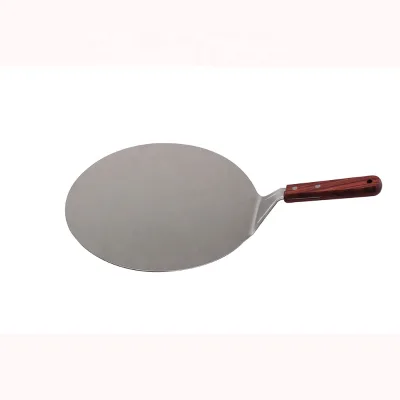


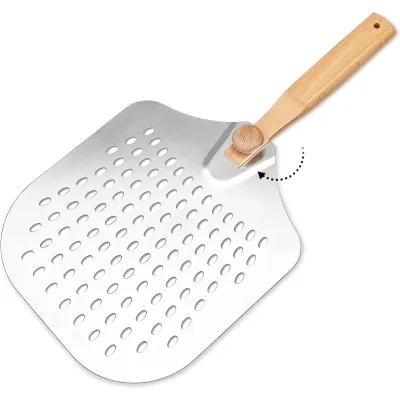


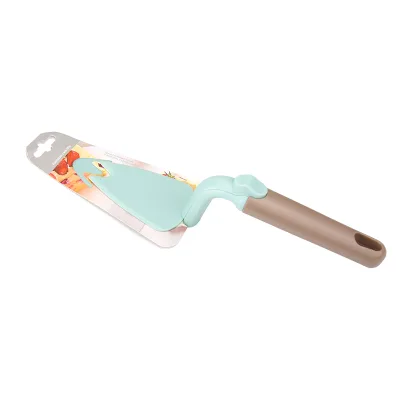
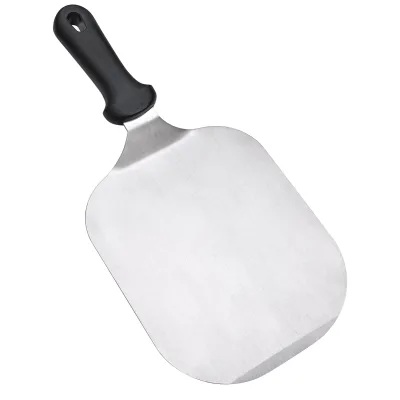


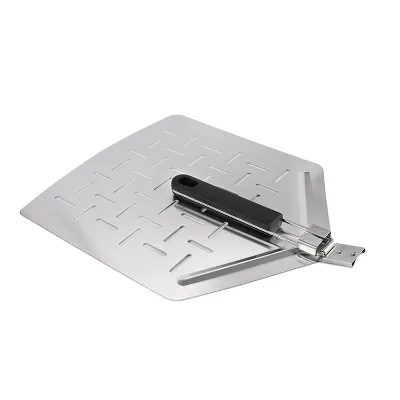


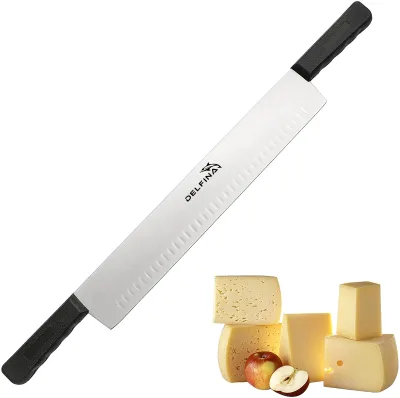


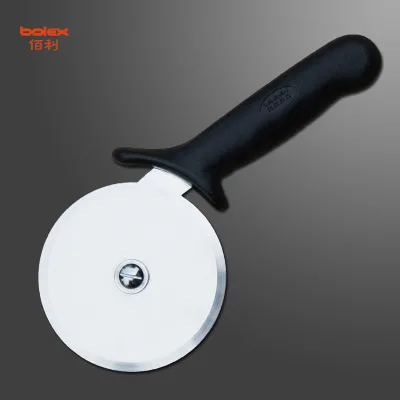
Comprehensive Sourcing Guide
Cake and Pizza Lifters Sourcing Guide
Buyers must first distinguish between specialized cake turners and heavy-duty pizza shovels, as the supplied data reveals distinct product models like the 115-1 cake turner and the 098513 pizza shovel. These items serve different operational needs, with cake tools often requiring precise blade dimensions like 17cm or 25cm, while pizza tools prioritize large blade diameters such as 260mm for efficient dough handling. Understanding these functional differences is critical before initiating any procurement process to ensure the selected tool matches the specific kitchen environment.
The observed market signals indicate a wide range of customization options, including specific handle materials like rosewood or customized metal, and varied packing standards ranging from single PP bags to color boxes. Procurement teams should verify if the supplier offers stock availability or custom branding, as the data shows some items are stocked while others require specific model numbers like CB-B0168. This distinction directly impacts lead times and inventory planning, requiring buyers to align their immediate operational needs with the supplier's production capabilities.
Product Scope and Observed Listing Signals
The product scope encompasses a diverse array of bakery and pizza tools, including cake servers, bakery turners, and foldable pizza peels, all designed for specific culinary applications. Buyers should note that while some models feature stainless steel blades for durability, others may utilize metal construction with customized handles to suit different ergonomic requirements. The presence of items labeled as "Eco-Friendly" and "Reusable" suggests a growing market segment focused on sustainable kitchenware, which may influence purchasing decisions for environmentally conscious establishments.
Listing signals reveal significant variation in packaging and unit specifications, with some products packed individually in poly bags while others are grouped in cartons containing sixty pieces. The data indicates that single volumes and gross weights are sometimes listed as zero, which necessitates careful verification of actual shipping dimensions and weight calculations for logistics planning. Buyers must scrutinize these listing details to avoid discrepancies in freight costs and storage requirements, ensuring that the physical attributes of the goods match the operational constraints of their distribution channels.
Technical Specifications to Verify
Technical verification must begin with precise dimensional analysis, as the supplied facts list specific standards such as 28*6.4cm for certain models and 10-inch lengths for others. Buyers should confirm that the total length of the tool, such as the 420mm measurement observed, aligns with the intended user's reach and the depth of their cooking vessels. Inconsistent reporting of standard sizes across different listings requires a rigorous cross-check of the physical product against the technical sheet to prevent mismatches in equipment compatibility.
Material composition is another critical verification point, with stainless steel blades and rosewood handles appearing in the data alongside generic metal and customized handle options. Procurement teams must validate that the blade material meets the specific corrosion resistance and hygiene standards required for food contact, especially for items used in high-heat environments like pizza ovens. Additionally, the foldable nature of some pizza peels demands a structural integrity check to ensure the hinge mechanism can withstand repeated use without failure during service.
Compliance and Safety Documentation
Compliance verification is essential for food contact tools, and the data explicitly mentions FDA and LFGB testing as available attributes for certain products. Buyers should request current test reports to confirm that the stainless steel and handle materials meet these specific safety standards before finalizing any order. Relying on general claims of safety without documented proof can lead to regulatory issues, particularly when importing goods into markets with strict food safety regulations.
Environmental and usage claims also require substantiation, as some listings describe products as "Eco-Friendly" and "Reusable" with specific applications in cooking environments. Procurement teams must ensure that these environmental assertions are backed by verifiable lifecycle data or material certifications rather than marketing language alone. Verifying the HS Code, such as 7323949000, helps in classifying the goods correctly for customs purposes and ensures that the product falls within the expected regulatory framework for kitchen utensils.
Cost Drivers and Commercial Terms
Cost structures are heavily influenced by customization levels, with options for customized logos and handle materials adding variable costs to the base unit price. The observed MOQ range of 1 to 2000 pieces suggests flexibility, but buyers must balance order volume against unit pricing to optimize their budget. Understanding the relationship between the sample time of seven days and the production lead time is crucial for managing cash flow and inventory turnover rates effectively.
Commercial terms regarding packing and shipping units significantly impact the total landed cost, as the data shows varying carton quantities and single item selling units. Buyers should calculate the cost per unit based on the actual carton volume and weight, noting that some listings report zero volume which requires clarification to avoid unexpected freight charges. Negotiating clear terms for sample times and bulk production schedules will help mitigate risks associated with supply chain delays and ensure timely delivery for operational needs.
Supplier Qualification and Quality Control
Supplier qualification should focus on verifying the origin of goods, with data pointing to locations like Fenghua, Guangdong, and China as primary production hubs. Buyers must assess the manufacturing capabilities of suppliers in these regions to ensure they can consistently meet the specified model numbers and material requirements. Establishing a direct line of communication regarding production standards helps in maintaining quality control and addressing any deviations from the agreed-upon specifications early in the process.
Quality control protocols must include rigorous inspection of the finished goods, particularly for items with customized features like logos and specific handle materials. The presence of a "Stocked" attribute indicates that some suppliers maintain inventory, which can be advantageous for urgent orders, but buyers should still verify the condition of these stock items. Implementing a pre-shipment inspection plan ensures that the final products meet the required standards for blade sharpness, handle stability, and overall finish before they leave the factory.
Long-Term Procurement Checks
Long-term procurement strategies should prioritize the stability of the supply chain, focusing on suppliers who can consistently deliver the specific model numbers and customization options required. Buyers need to monitor the supplier's ability to maintain the observed standards, such as the 25cm or 17cm dimensions, over multiple production cycles. Building a relationship with a supplier that offers flexible MOQs and reliable sample times can provide a competitive advantage in adapting to market fluctuations.
Continuous evaluation of product performance is necessary to ensure that the tools remain durable and safe for repeated use in professional kitchens. Buyers should track feedback on the environmental claims and material quality to verify that the "Eco-Friendly" and "Reusable" attributes hold true over time. Establishing a feedback loop with end-users allows for the identification of any design flaws or material issues, enabling proactive adjustments to future procurement orders and maintaining high standards of kitchen equipment.
FAQs
What materials are used for cake and pizza lifters?
These tools typically feature stainless steel blades for durability and hygiene. Handles are often crafted from rosewood or customized materials to ensure a comfortable grip. The metal construction supports heavy loads while the handle provides heat resistance and aesthetic appeal for professional kitchen environments.
Can I customize the logo on these bakery turners?
Yes, customization is available for branding purposes. Buyers can request customized logos on the handles or packaging. This service allows businesses to maintain brand consistency across their kitchen equipment. Contact suppliers directly to discuss specific design requirements and minimum order quantities for personalized items.
What are the standard specifications for pizza shovels?
Standard pizza shovel blades often measure 260mm in diameter for optimal dough handling. Total lengths vary, with common models reaching 420mm for better reach into ovens. Some variants include foldable designs for compact storage. Specifications like 17cm or 25cm apply to specific cake server models.
Are these kitchen tools safe for food contact?
Yes, these tools are designed for safe food contact. Many products undergo testing against FDA and LFGB standards to ensure material safety. The stainless steel blades and treated handles are suitable for cooking environments. Buyers should verify specific certification documents with suppliers to confirm compliance for their region.
What is the typical packaging for these lifters?
Packaging options include individual poly bags, color boxes, or single pieces in PP bags. Standard carton dimensions are often around 70x25x6cm or 66x19.5cm. Each carton typically holds 60 pieces. This packaging ensures product protection during shipping while allowing for efficient storage and display in retail or warehouse settings.
How long does sample production take?
Sample production generally requires seven days. This timeframe allows suppliers to prepare customized or standard items for buyer review. Buyers can use this period to assess quality, material finish, and functionality before committing to larger orders. Expedited options may be available depending on the supplier's current production schedule.